Back to Blog
Grow YouTube Channel
10 Proven Ways to Grow Your YouTube Channel Fast
Direct Answer
Learn 10 actionable strategies to grow your YouTube channel, from optimizing retention to leveraging professional management services.

How can you grow your YouTube channel effectively?
Growing a YouTube channel requires a shift from chasing viral hits to systematically optimizing your content for both viewer satisfaction and algorithmic discovery. By focusing on high-retention video structures, data-backed title design, and consistent publishing cadences, you can signal to the YouTube system that your content deserves a wider audience reach.
Most creators struggle because they treat YouTube like a social media feed rather than a search and recommendation engine. The platform is designed to keep viewers on the site for as long as possible. If your videos facilitate that goal, the algorithm will promote them. If they cause viewers to click away or close the app, your channel will stagnate regardless of your video quality.
1. Why is audience retention the single most important metric?
Audience retention is the percentage of your video that a viewer watches before leaving. YouTube’s algorithm prioritizes videos that maintain a high percentage of viewers through the duration of the content. If you have a 10-minute video and the average view duration is 2 minutes, the algorithm perceives this as a failure to deliver on the promise of the title and thumbnail.
To improve this, stop using long, branded intros that last more than five seconds. Get straight to the value proposition. Use the first 30 seconds to confirm the viewer is in the right place and explain exactly what they will gain by staying. If your drop-off rate is high at the 0:15 mark, analyze what you are saying or showing at that exact moment. Often, it is a sign that the pacing has stalled or the visual interest has dipped.
2. How do you optimize thumbnails and titles for CTR?
Click-Through Rate (CTR) determines how many people choose to watch your video once it is presented to them. A high CTR tells YouTube your video is relevant to the audience it has been served to. Do not use your thumbnail to repeat the title. Instead, use the thumbnail to provide context or create a curiosity gap that the title cannot fully explain.
Keep your text overlays to three words or fewer. Use high-contrast colors and ensure the main subject’s face is clearly visible if you are a personality-driven channel. If you are struggling with low CTR, look at your competitor’s top-performing videos in your niche. What are they doing with color schemes and facial expressions that you are missing? Test different thumbnail variations early; if a video underperforms in the first six hours, changing the thumbnail can sometimes revive it.
3. What role does session time play in channel growth?
Session time is the total amount of time a viewer spends on YouTube after watching your video. If your video is the last thing they watch before closing the browser, you are hurting your channel’s standing. You want your videos to be the catalyst for a binge-watching session.
Implement end screens that suggest a specific, highly relevant follow-up video rather than just your most recent upload. Create playlists that group your content by theme or journey. If you are a tech channel, a playlist titled "Building Your First Home Studio" will keep viewers clicking from part one to part two, which increases your total session time and signals to the algorithm that your channel is a destination for authoritative content.
4. How do you leverage YouTube Search for early growth?
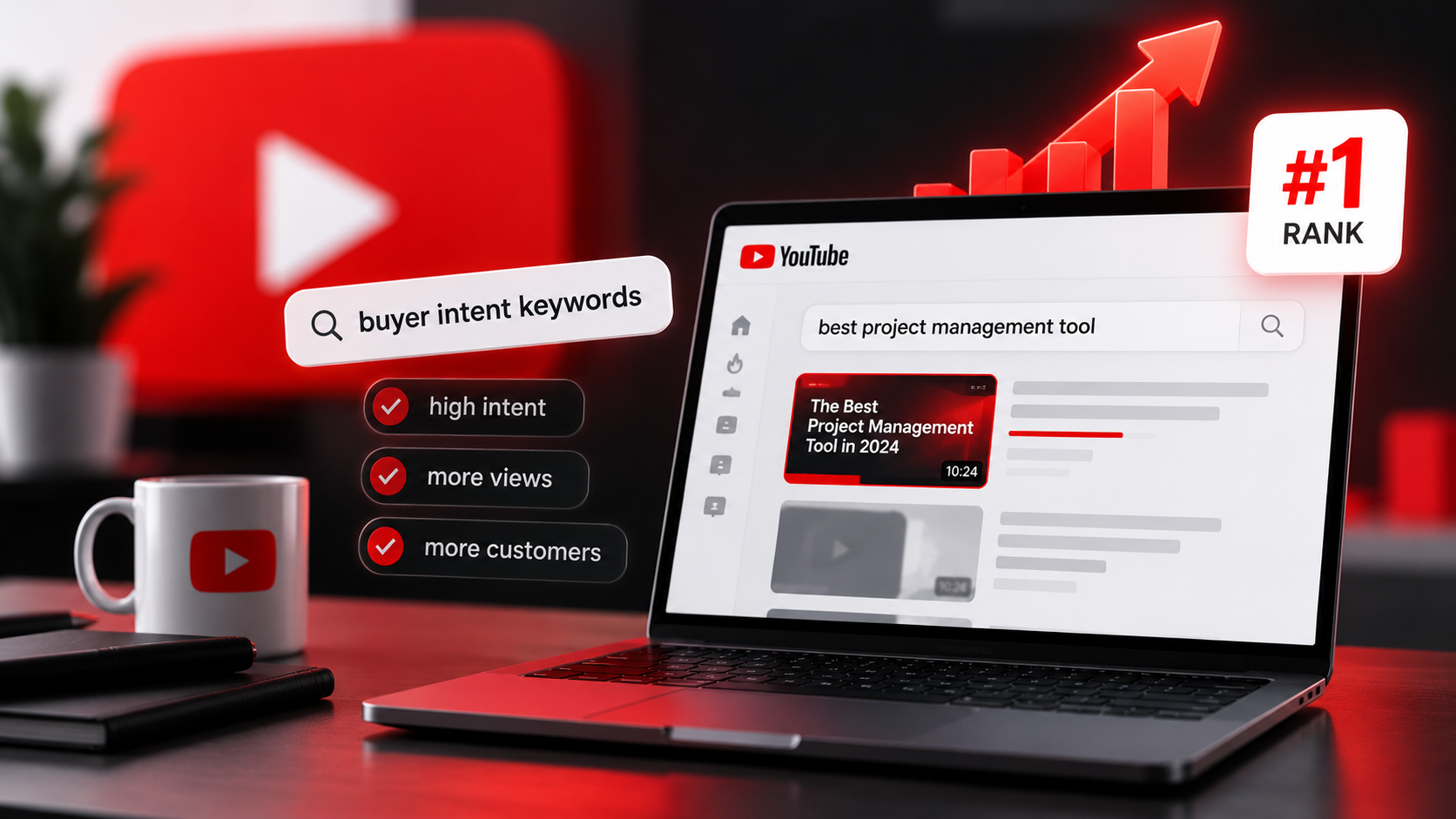
New channels often fail because they rely entirely on the Home page recommendation feed, which is unpredictable. Search is a reliable, steady stream of traffic for smaller creators. Use tools like the YouTube search bar autocomplete or third-party keyword research tools to identify specific questions your target audience is asking.
Write your titles and descriptions to answer those specific queries. If someone is searching for "how to fix a leaky faucet," your video title should be "Fixing a Leaky Faucet: A Step-by-Step Guide." By providing a direct answer to a specific problem, you build trust with the viewer, which leads to higher subscription rates. Over time, as these search-based videos gain traction, the algorithm will begin to suggest your content to a broader audience on the Home page.
5. Why is a consistent publishing schedule critical?
Consistency isn’t about posting every single day; it’s about training your audience and the algorithm to expect content from you at specific intervals. If you post three times one week and then go silent for a month, you lose the momentum you built with your previous subscribers. The algorithm needs a steady stream of data to understand who your target viewer is.
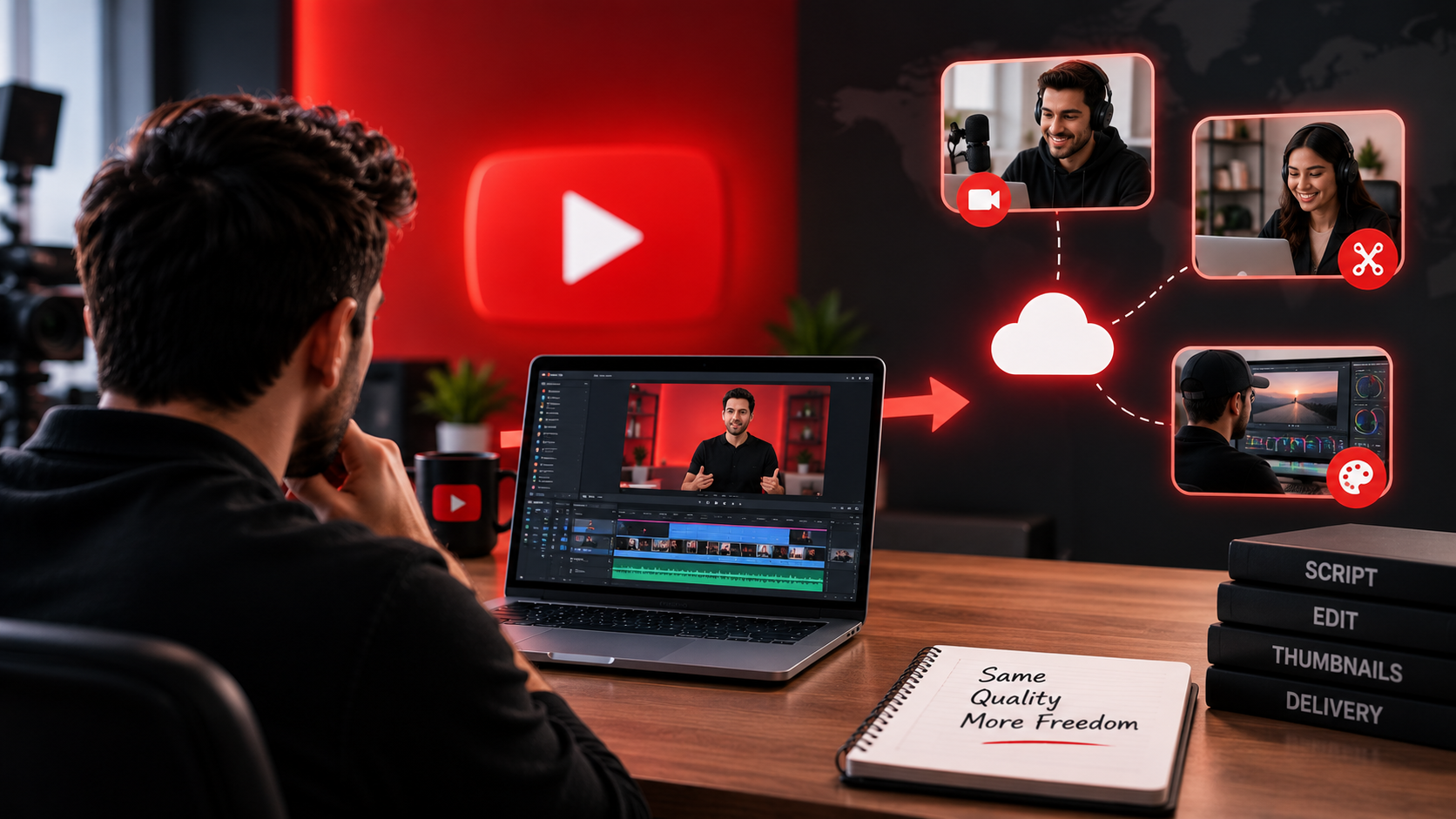
Choose a schedule you can maintain for at least six months without burning out. Whether it is once a week or twice a month, stick to it. If you find managing the production, editing, and scheduling process overwhelming, many creators find that utilizing professional YouTube management services allows them to maintain that consistency while focusing on the creative side of the business.
6. How do you use the Community Tab to foster loyalty?
The Community Tab is an underutilized feature that allows you to engage with your audience outside of long-form video uploads. Use it to post polls, behind-the-scenes images, or teaser clips for upcoming videos. This keeps your channel active in the feeds of your subscribers even on days when you aren't uploading a full video.
Want a free audit of your channel?
Get a personalized growth plan in 48 hours.
Ask your audience what they want to see next. This does two things: it provides you with a backlog of content ideas that you know your audience wants, and it increases engagement, which is a positive signal for the algorithm. High engagement on community posts often correlates with higher view counts on your subsequent video releases.
7. What is the benefit of niche-specific dynamics?
Trying to appeal to everyone is the fastest way to appeal to no one. Successful channels have a clear, defined niche. If you are a finance channel, stay on finance topics. If you start posting vlogs about your lunch, you confuse the algorithm and your audience.
When you stay in a niche, the algorithm learns exactly who to show your videos to. It builds a "profile" of your ideal viewer. If you veer too far off-topic, you disrupt that profile, and your impressions will drop. If you want to expand your content, create a second channel. This keeps your primary channel's data clean and high-performing.
8. How does video pacing impact viewer drop-off?
Pacing is the rhythm of your editing. A video that has the same shot for 45 seconds without any movement or change in audio levels will lead to a drop in retention. Most successful YouTube creators use "pattern interrupts" every 10 to 20 seconds. This could be a zoom, a B-roll cut, a text overlay, or a change in the background music.
Watch your own videos at 2x speed. If it feels boring or slow at that speed, your audience will click away immediately. The goal is to keep the viewer’s brain engaged with a constant stream of new information or visual stimuli. If you aren't sure how to edit for pacing, look into YouTube growth services that specialize in retention-focused editing.
9. Why should you analyze your traffic sources?
YouTube Studio provides a detailed breakdown of where your views are coming from. Are they coming from Browse Features, Suggested Videos, or External sites? If your views are primarily from Search, you need to work on your click-through rate to transition that traffic to the recommendation feed.
If your views are coming from Suggested Videos, it means the algorithm has found a "cluster" of similar videos to place yours next to. Double down on the topics of the videos that are successfully suggesting your content. This is a clear indicator of what your audience wants to see more of. Adjust your content plan based on these data points rather than your personal preferences.
10. How do you monetize without sacrificing growth?
Monetization can sometimes feel like it conflicts with growth, especially if you overwhelm your audience with too many ads or sponsorships. The key is to prioritize the viewer’s experience. Only partner with brands that are genuinely relevant to your niche.
If you force a non-relevant sponsorship into your video, your audience will skip through it, which negatively impacts your average view duration. When you do run ads or sponsorships, integrate them naturally. If you are struggling to balance revenue and growth, consider working with a best youtube services provider that can help you optimize your ad placements and sponsorship strategy without hurting your retention metrics.
Expert Insight: The 10-Second Rule
Most creators worry about the middle of their video, but the battle is won or lost in the first 10 seconds. If you don't validate the viewer's choice to click within the first 10 seconds, they will leave. Treat the start of your video as a "hook" that proves the title and thumbnail were not clickbait. Show the result or the promise immediately, then move into the content.
Most creators worry about the middle of their video, but the battle is won or lost in the first 10 seconds. If you don't validate the viewer's choice to click within the first 10 seconds, they will leave. Treat the start of your video as a "hook" that proves the title and thumbnail were not clickbait. Show the result or the promise immediately, then move into the content.
Key Takeaways
- Prioritize audience retention by removing fluff and getting straight to the value.
- Design thumbnails and titles to create a curiosity gap that encourages clicks.
- Use your YouTube Studio analytics to identify which topics are driving the most traffic.
- Maintain a consistent publishing schedule to build habit-forming content for your viewers.
- Focus on a single, specific niche to help the algorithm identify your target audience.
Frequently Asked Questions
How long does it take to see results from these growth strategies?
While some changes like thumbnail optimization can show results within 24-48 hours, systemic channel growth typically requires 3 to 6 months of consistent execution to see a meaningful shift in algorithmic reach.
Should I delete old videos that are underperforming?
It is generally better to leave them up, as they can still provide value through search traffic, but you should unlist or archive them if they are damaging your brand image or providing incorrect information.
How many videos should I post per week to grow fast?
Quality and retention are more important than frequency; posting one high-retention video per week is significantly more effective for growth than posting three low-quality videos that cause viewers to click away.
What is the most common reason a channel stops growing?
The most common cause is a lack of audience retention, where the content fails to satisfy the viewers who click on the video, causing the algorithm to stop recommending it to new people.
Growing a channel is a technical challenge as much as a creative one. If you are ready to stop guessing and start applying data-driven strategies to your content, Centrics Media provides the expert guidance and management services needed to scale your reach. Reach out to our team to discuss how we can help you optimize your channel for long-term success.
youtube growth tips
Was this article helpful?
Ready to Grow Your YouTube Channel?
Get a clear strategy tailored to your channel — backed by data from 200+ channels we've scaled.
Book Free Growth Audit